

As a supplier of bread making machines, I've encountered numerous customers who face the common issue of bread sticking to the machine. This problem not only makes it difficult to remove the bread but can also lead to a less - than - perfect loaf appearance. In this blog, I'll share some effective strategies to prevent bread from sticking to the bread making machine.
Understanding the Root Causes
Before we delve into the solutions, it's essential to understand why bread sticks to the machine in the first place. There are several factors at play:
1. Lack of Proper Greasing
The most straightforward reason is the absence of sufficient lubrication. If the bread pan of the machine is not greased adequately, the bread dough will adhere to the surface during the baking process. This is because the heat causes the dough to expand and bond with the pan material.
2. Incorrect Flour - to - Liquid Ratio
An improper balance between flour and liquid can also result in sticking. If the dough is too wet, it will be more likely to spread and stick to the sides of the pan. On the other hand, if the dough is too dry, it may form a hard crust that adheres firmly to the pan.
3. Pan Material and Coating
The type of material and coating of the bread pan can significantly affect sticking. Some older or lower - quality pans may have a less non - stick surface, making it easier for the bread to adhere.
Preventive Measures
1. Grease the Bread Pan
One of the simplest and most effective ways to prevent sticking is to grease the bread pan thoroughly. You can use cooking oil, butter, or shortening. Apply a thin, even layer of the chosen lubricant to the entire interior surface of the pan, including the corners and the kneading paddle. For best results, use a pastry brush to ensure complete coverage. Some people also recommend using non - stick cooking sprays, which can provide a uniform and long - lasting coating.
2. Choose the Right Flour
The type of flour you use can make a difference. Opt for high - quality bread flour with a good protein content. Protein helps to form gluten, which gives the bread structure. Whole - wheat flour, for example, can be more challenging to work with as it absorbs more liquid and may require a different flour - to - liquid ratio. Make sure to follow the recipe's instructions regarding the type and amount of flour.
3. Get the Flour - to - Liquid Ratio Right
Accurately measuring the flour and liquid ingredients is crucial. Use a kitchen scale for the most precise measurements. If you're using a recipe that calls for cups, fluff up the flour in the container before scooping it to avoid packing it too tightly. When adding liquid, start with the minimum amount specified in the recipe and add more gradually if needed. You can tell if the dough is the right consistency when it forms a ball around the kneading paddle and pulls away from the sides of the pan slightly.
4. Use a Release Agent
In addition to greasing, you can use a release agent such as parchment paper or a silicone baking liner. Cut the parchment paper to fit the bottom and sides of the bread pan. This creates a barrier between the dough and the pan, making it easier to remove the bread. Silicone baking liners are reusable and provide excellent non - stick properties.
5. Clean the Machine Regularly
A dirty bread pan can contribute to sticking. After each use, let the pan cool completely and then wash it with warm, soapy water. Use a soft sponge or cloth to avoid scratching the non - stick coating. Make sure to dry the pan thoroughly before using it again. Regular cleaning helps to maintain the non - stick properties of the pan.
6. Check the Kneading Paddle
The kneading paddle can also be a source of sticking. Make sure it is properly attached and clean. If dough gets stuck on the paddle during the kneading process, it can transfer to the bread and cause it to stick to the pan. You can remove any dough residue from the paddle after each use.
Advanced Tips
1. Pre - heat the Machine
Some bread making machines benefit from pre - heating. Before adding the ingredients, turn on the machine and let it run for a few minutes on the pre - heat setting. This can help to create a more even baking environment and reduce the chances of sticking.
2. Adjust the Baking Time and Temperature
Experiment with the baking time and temperature settings of your bread making machine. If the bread is baking too quickly on the outside while remaining undercooked inside, it may be more likely to stick. Lowering the temperature slightly and increasing the baking time can result in a more evenly baked loaf that is easier to remove.
3. Use a Bread Release Product
There are commercial bread release products available in the market. These products are specifically designed to prevent bread from sticking to pans. They usually come in spray or powder form and can be applied to the pan before adding the dough.
Related Products
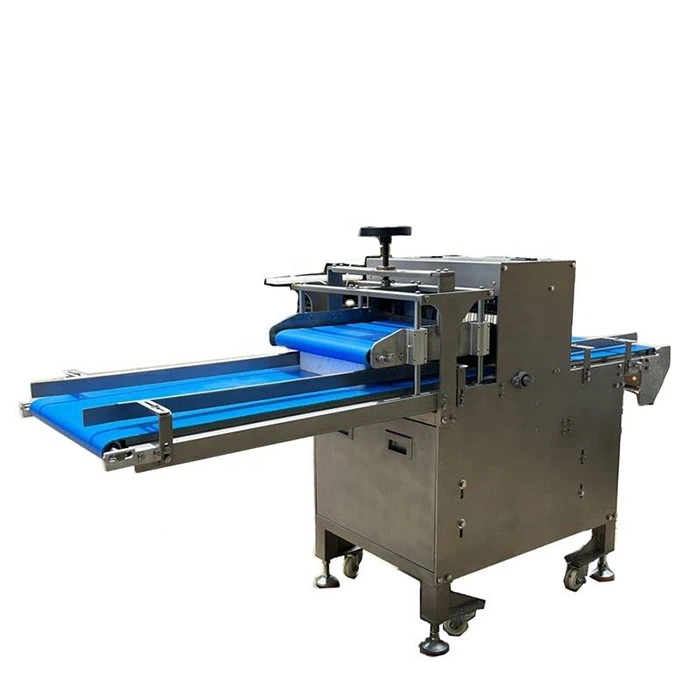
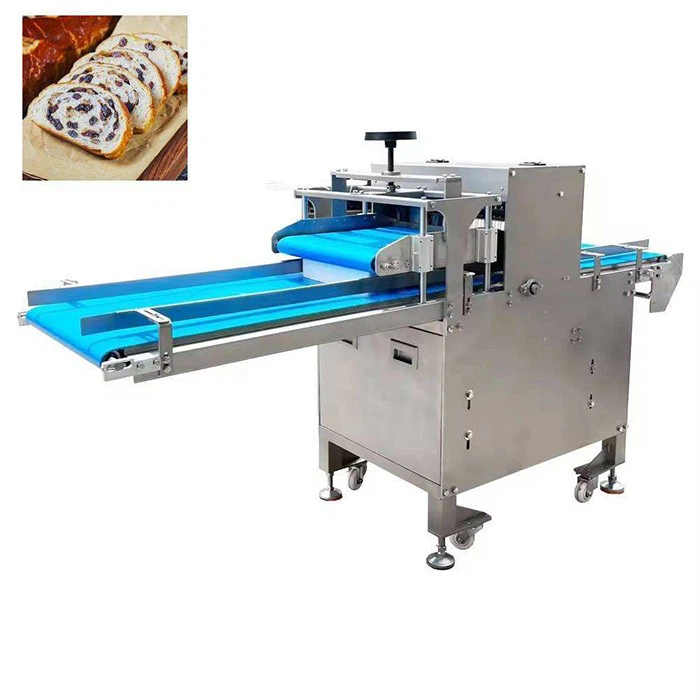
If you're in the bakery business or simply looking to expand your bread - making capabilities, we also offer a range of related products. For example, our Bread Slicer Machine Commercial is perfect for slicing large quantities of bread quickly and evenly. The Bread Loaf Slicer Machine is ideal for home bakers or small - scale bakeries. And if you're into pizza making, our Pizza Dough Forming Machine can help you create perfect pizza dough every time.
Conclusion
Preventing bread from sticking to the bread making machine is a matter of understanding the causes and taking appropriate preventive measures. By greasing the pan, choosing the right ingredients, and following the correct procedures, you can enjoy perfectly baked, easily removable bread. If you have any further questions or are interested in purchasing our bread making machines or related products, please feel free to contact us for a purchase negotiation. We are committed to providing high - quality products and excellent customer service.
References
- "The Bread Baker's Apprentice" by Peter Reinhart
- Various industry - specific magazines and online resources on bread making and bakery equipment.