

As a seasoned meat slicer supplier, I understand the importance of precision and flexibility in meat processing. One of the key aspects that can significantly impact the quality of your sliced meat is the ability to adjust the cutting width of your meat slicer. In this blog post, I'll guide you through the process of adjusting the cutting width of a meat slicer, ensuring you achieve the perfect slice every time.
Understanding the Basics of Cutting Width Adjustment
Before we dive into the adjustment process, it's essential to understand why cutting width adjustment matters. Different meat products and recipes require specific slice thicknesses. For instance, thin slices are ideal for cold cuts and sandwiches, while thicker slices are suitable for steaks and roasts. By adjusting the cutting width, you can cater to a wide range of customer preferences and culinary needs.
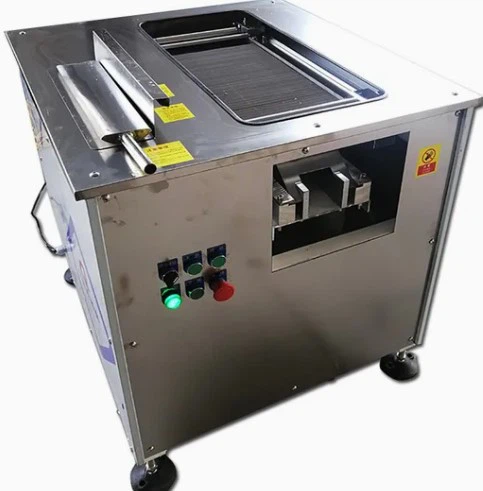
Most meat slicers come with a cutting width adjustment mechanism, which can vary depending on the model and manufacturer. Common types of adjustment mechanisms include handwheels, knobs, and digital controls. Understanding how your meat slicer's adjustment mechanism works is crucial for accurate and efficient adjustments.
Step-by-Step Guide to Adjusting the Cutting Width
Step 1: Prepare the Meat Slicer
Before making any adjustments, ensure that the meat slicer is turned off and unplugged for safety reasons. This prevents accidental activation of the blade during the adjustment process. Clean the slicer thoroughly to remove any debris or meat residue that may affect the adjustment mechanism.
Step 2: Locate the Cutting Width Adjustment Mechanism
Refer to your meat slicer's user manual to locate the cutting width adjustment mechanism. As mentioned earlier, it could be a handwheel, knob, or digital control. The adjustment mechanism is usually located near the blade or on the front panel of the slicer.
Step 3: Determine the Desired Cutting Width
Consider the type of meat you're slicing and the intended use of the slices. For example, if you're slicing deli meats for sandwiches, you may want thin slices, typically around 1-2 millimeters thick. On the other hand, if you're slicing steaks for grilling, you may prefer thicker slices, around 10-20 millimeters thick. Use a ruler or a slice thickness gauge to measure the desired cutting width accurately.
Step 4: Make the Adjustment
Once you've determined the desired cutting width, use the adjustment mechanism to set the slicer accordingly. If it's a handwheel or knob, turn it clockwise to increase the cutting width or counterclockwise to decrease it. Some meat slicers may have markings or indicators to help you set the correct width. If your slicer has a digital control, follow the instructions in the user manual to input the desired cutting width.
Step 5: Test the Adjustment
After making the adjustment, plug in the meat slicer and turn it on. Place a small piece of meat on the feed table and slowly feed it into the slicer. Observe the thickness of the slices being produced. If the slices are too thick or too thin, turn off the slicer and make further adjustments until you achieve the desired thickness.
Tips for Accurate Cutting Width Adjustment
- Use a Calibration Tool: If your meat slicer doesn't have accurate markings or indicators, consider using a calibration tool, such as a slice thickness gauge, to ensure precise adjustments.
- Make Small Adjustments: It's better to make small, incremental adjustments rather than large ones. This allows you to fine-tune the cutting width more accurately and avoid overshooting the desired thickness.
- Clean the Adjustment Mechanism Regularly: Over time, debris and meat residue can accumulate in the adjustment mechanism, affecting its accuracy. Clean the mechanism regularly to ensure smooth and precise adjustments.
- Refer to the User Manual: Always refer to your meat slicer's user manual for specific instructions and guidelines on adjusting the cutting width. Different models may have different adjustment procedures.
Related Products
In addition to meat slicers, we also offer a range of other meat processing machines to meet your diverse needs. Check out our Fish Fillet Machine, Automatic Bacon Slicer, and Fresh Frozen Meat Mincer for high-quality and efficient meat processing solutions.

Conclusion
Adjusting the cutting width of a meat slicer is a crucial skill for anyone involved in meat processing. By following the steps outlined in this blog post and implementing the tips provided, you can ensure accurate and consistent slice thickness, enhancing the quality of your meat products. If you have any questions or need further assistance with adjusting your meat slicer or choosing the right meat processing equipment, don't hesitate to contact us. We're here to help you make the most of your meat processing operations.
References
- Meat Slicer User Manuals
- Industry Standards for Meat Processing Equipment