

Selecting the appropriate size of a meat mixer is a crucial decision for anyone involved in the meat processing industry, whether you're a small - scale butcher, a large - scale food manufacturer, or a home cook looking to up your meat - handling game. As a meat mixer supplier, I've witnessed firsthand how the right choice can streamline operations, improve product quality, and save both time and money. In this blog, I'll guide you through the key factors to consider when choosing the right size of a meat mixer for your specific needs.
Understanding Your Production Volume
The first and most important factor to consider is your production volume. How much meat do you need to mix on a daily, weekly, or monthly basis? This will largely determine the capacity of the meat mixer you should choose.
For small - scale operations such as a local butcher shop or a home kitchen, a meat mixer with a capacity of 5 - 20 liters might be sufficient. These smaller mixers are compact, easy to handle, and require less space. They are perfect for mixing small batches of meat for burgers, sausages, or meatballs. For example, if you're a home cook who likes to make your own sausages on the weekends, a 5 - liter meat mixer would be more than enough to meet your needs. You can check out our Meat Mixer Grinder Machine for options in this capacity range.
On the other hand, medium - scale operations like a medium - sized catering business or a small - to - medium - sized meat processing plant may require a meat mixer with a capacity of 20 - 100 liters. These mixers can handle larger batches of meat, allowing for more efficient production. They are often used to mix meat for commercial food production, such as large - scale sausage making or preparing meat for institutional kitchens.
For large - scale industrial meat processing facilities, meat mixers with capacities of over 100 liters are necessary. These high - capacity mixers can process huge volumes of meat in a single batch, significantly increasing productivity. They are designed to withstand heavy - duty use and are often equipped with advanced features to ensure consistent mixing results.
Available Space in Your Facility
Another important consideration is the available space in your facility. Even if you have a high production volume, you need to make sure that the meat mixer you choose will fit comfortably in your workspace.
Smaller meat mixers are ideal for facilities with limited space. They can be easily placed on a countertop or a small workbench. They are also more portable, which can be an advantage if you need to move the mixer around your kitchen or workshop.
Medium - sized meat mixers usually require a dedicated floor space. You need to ensure that there is enough room around the mixer for easy access, operation, and cleaning. Make sure to measure the dimensions of the mixer, including its height, width, and depth, and compare them with the available space in your facility.
Large - scale industrial meat mixers are typically large and heavy. They need a significant amount of floor space and may require special installation. You may also need to consider factors such as ventilation and electrical requirements when installing these mixers.
Type of Meat and Mixing Requirements
The type of meat you're working with and your specific mixing requirements also play a role in determining the right size of the meat mixer.
If you're working with tougher meats like beef or pork, you may need a more powerful meat mixer with a larger capacity. These meats require more force to mix thoroughly, and a larger mixer can handle the additional stress. Additionally, if you're adding a lot of ingredients such as spices, herbs, or binders to the meat, a larger mixer will ensure that everything is evenly distributed.
On the other hand, if you're working with more delicate meats like chicken or turkey, a smaller mixer may be sufficient. These meats are easier to mix, and a smaller mixer can still achieve good results.
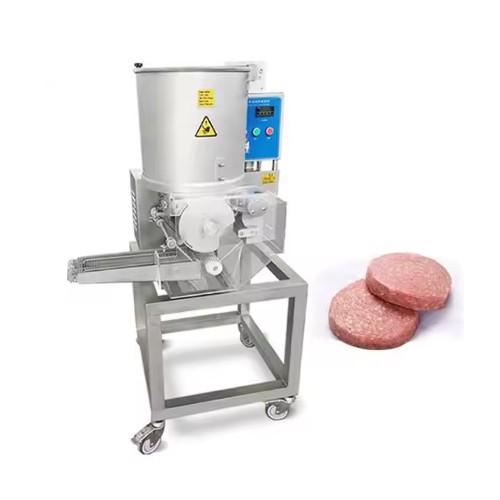
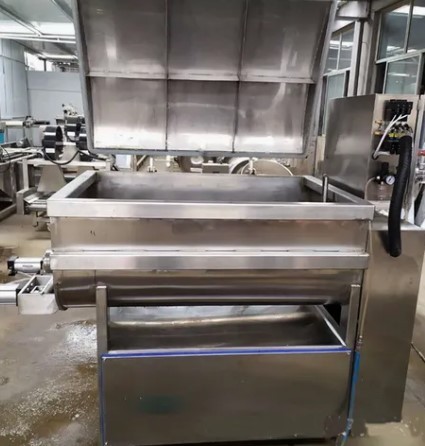
Some meat mixers are designed for specific types of mixing. For example, if you're making meatballs, you may want a meat mixer that can create a smooth, homogeneous mixture. Our Meatball Cooking Machine is specifically designed for this purpose. If you're making burger patties, a meat mixer that can produce a well - mixed but still workable meat mixture is essential. You can pair it with our Burger Patty Press Machine for a complete burger - making solution.
Budget Constraints
Budget is always a factor when making any purchasing decision, and choosing a meat mixer is no exception.
Smaller meat mixers are generally more affordable and are a great option for those on a tight budget. They offer a cost - effective way to get started with meat mixing, whether you're a home cook or a small - scale business owner.
Medium - sized meat mixers are more expensive than their smaller counterparts but offer increased capacity and functionality. They are a good investment for medium - scale operations that need to balance cost and production efficiency.
Large - scale industrial meat mixers are the most expensive. However, they are also designed to handle high - volume production and are built to last. For large - scale meat processing facilities, the cost of the mixer is often outweighed by the increased productivity and long - term savings.
Ease of Cleaning and Maintenance
Cleaning and maintenance are important aspects of using a meat mixer. A mixer that is difficult to clean can lead to hygiene issues and may affect the quality of your meat products.
Smaller meat mixers are usually easier to clean and maintain. They have fewer parts and can be disassembled more easily. This makes it quicker and more convenient to clean all the components thoroughly.
Medium - sized and large - scale meat mixers may require more effort to clean. However, many modern meat mixers are designed with easy - to - clean features such as removable mixing bowls and easy - access parts. Make sure to choose a mixer that comes with clear cleaning instructions and is made from materials that are resistant to corrosion and bacteria.
Compatibility with Other Equipment
If you already have other meat processing equipment in your facility, it's important to choose a meat mixer that is compatible with them.
For example, if you have a meat grinder, you may want a meat mixer that can work seamlessly with it. Some meat mixers are designed to be used in conjunction with other equipment, allowing for a more integrated and efficient meat processing workflow.
Conclusion
Choosing the right size of a meat mixer for your needs requires careful consideration of several factors, including your production volume, available space, type of meat, mixing requirements, budget, ease of cleaning, and compatibility with other equipment. As a meat mixer supplier, we understand the importance of making the right choice, and we're here to help you find the perfect meat mixer for your specific situation.
If you're still unsure which size of meat mixer is right for you, or if you have any other questions about our products, we encourage you to contact us. We have a team of experts who can provide you with detailed information and guidance to help you make an informed decision. Whether you're a small - scale butcher, a large - scale food manufacturer, or a home cook, we have the right meat mixer for you. Start your journey to more efficient meat processing today by reaching out to us for a consultation.
References
- "Meat Processing Technology" by Fidel Toldrá.
- Industry reports on meat processing equipment trends.
- Manufacturer's specifications and user manuals for meat mixers.