

Hey there, fellow bakers and bakery enthusiasts! As a supplier of top - notch bakery machines, I know how crucial it is to keep those machines clean and hygienic. A clean bakery machine not only ensures the quality and safety of the baked goods but also extends the lifespan of the equipment. So, let's dive into some practical tips on how to ensure the hygiene of a bakery machine.
Regular Cleaning Routine
First things first, a regular cleaning routine is a must. You can't just use the machine day in and day out without giving it a proper scrub. After each use, start by removing any leftover dough, crumbs, or batter. For smaller machines, like a muffin tin or a small mixer attachment, you can often just rinse them under warm, soapy water. But for larger machines, such as a big commercial oven or a dough kneader, you'll need to follow a more detailed process.
For example, when cleaning a dough kneader, unplug it first to avoid any electrical accidents. Then, use a soft brush to remove as much dry dough as possible from the kneading arms and the bowl. Next, wipe down the exterior with a damp cloth and a mild detergent. Make sure to get into all the nooks and crannies where dough might have gotten stuck.
If you're dealing with a commercial oven, let it cool down completely before you start cleaning. Use a special oven cleaner that's safe for food - contact surfaces. Spray it on the interior walls, racks, and door, and let it sit for the recommended time. Then, wipe it all off with a clean cloth. Don't forget to clean the oven door glass; a dirty glass can make it hard to monitor your baked goods.
Deep Cleaning
In addition to regular cleaning, you should also schedule deep cleaning sessions. Depending on how often you use the machines, deep cleaning could be done weekly, bi - weekly, or monthly. Deep cleaning involves taking apart the machine as much as possible (following the manufacturer's instructions, of course) and cleaning each component thoroughly.
For instance, if you have a Commercial Coffee Bean Roaster Machine, you'll need to remove the roasting chamber, the cooling tray, and any other removable parts. Soak them in a solution of warm water and a food - safe cleaner. Use a brush to scrub away any built - up coffee residue. Pay special attention to the vents and filters, as they can get clogged with coffee dust, which can affect the machine's performance and hygiene.
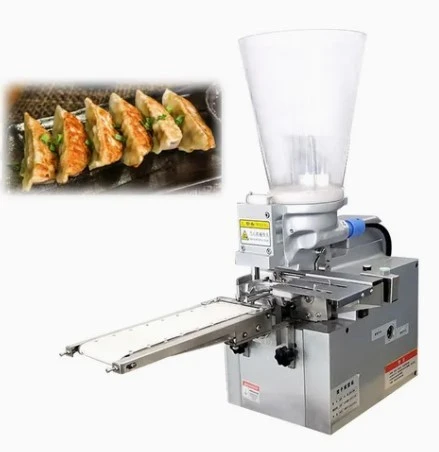
A Dumpling Making Machine also requires deep cleaning. Take out the filling dispenser, the dough rollers, and the forming molds. Clean them to prevent any bacteria growth from leftover dough and filling. You can use a soft sponge or a cloth to clean hard - to - reach areas.
Sanitization
After cleaning, sanitization is the next step. Sanitizing helps to kill any remaining bacteria and germs. You can use a food - grade sanitizer for this purpose. Dilute it according to the instructions on the label and apply it to the cleaned surfaces. Let it sit for the required time, usually a few minutes, and then rinse it off with clean water.
For example, if you're sanitizing a mixer bowl, fill it with the sanitizing solution and let it soak for a few minutes. Then, pour out the solution and rinse the bowl thoroughly. Make sure to dry all the parts completely before reassembling the machine, as moisture can lead to rust and mold growth.

Employee Training
Another important aspect of ensuring bakery machine hygiene is employee training. Your staff should be well - trained on how to clean and maintain the machines properly. Provide them with clear instructions and training sessions. Teach them about the importance of hygiene and how it affects the quality of the baked goods.
For example, show them how to use the cleaning and sanitizing products correctly. Make sure they know the right sequence of cleaning steps for each machine. Encourage them to report any issues with the machines, such as leaks or unusual noises, as these can also affect hygiene.
Storage
Proper storage of the bakery machines when they're not in use is also crucial. Keep the machines in a clean, dry, and well - ventilated area. Cover them with protective covers to prevent dust and dirt from settling on them.
If you have extra parts or attachments, store them in a dedicated cabinet or a container. Label the containers so that it's easy to find the right part when needed. This not only helps with hygiene but also makes it easier to organize your bakery.
Inspection
Regular inspections of the bakery machines are essential. Check for any signs of wear and tear, such as loose parts, cracks, or leaks. These can not only affect the performance of the machine but also pose a hygiene risk.
For example, if you notice a crack in the dough hopper of a Automatic Coffee Roasting Machine, it could allow moisture and bacteria to enter, which can contaminate the coffee beans. Replace any damaged parts immediately to ensure the machine remains hygienic.
Water Quality
If your bakery machine uses water, such as a coffee maker or a steam oven, pay attention to the water quality. Poor - quality water can leave mineral deposits and scale on the machine, which can affect its performance and hygiene. Use a water filtration system to remove impurities from the water.
For example, if you have a coffee machine, descale it regularly according to the manufacturer's instructions. This will help to keep the internal components clean and prevent any blockages.
Use of Proper Tools
Using the right cleaning tools is also important. Don't just use any old brush or cloth. Invest in high - quality, food - safe cleaning tools. For example, use a silicone brush to clean around the seals and gaskets of machines, as it won't scratch the surfaces. Use microfiber cloths for wiping, as they can pick up more dirt and bacteria than regular cloths.
Conclusion
Ensuring the hygiene of a bakery machine is a multi - faceted process that involves regular cleaning, deep cleaning, sanitization, employee training, proper storage, inspection, water quality control, and the use of proper tools. By following these tips, you can keep your bakery machines in top - notch condition, produce high - quality baked goods, and extend the lifespan of your equipment.
If you're in the market for new bakery machines or need more advice on machine hygiene, don't hesitate to reach out. We're here to help you make the best choices for your bakery. Whether you need a Commercial Coffee Bean Roaster Machine, a Dumpling Making Machine, or an Automatic Coffee Roasting Machine, we've got you covered. Contact us to start a procurement discussion and take your bakery to the next level!
References
- "Bakery Equipment Maintenance and Cleaning Guide", Food Manufacturing Magazine
- "Hygiene Standards for Food Processing Equipment", World Health Organization
- Manufacturer's manuals of various bakery machines