

Hey there! As a meat mixer supplier, I've been getting a bunch of questions lately about what powers these nifty machines. So, I thought I'd sit down and write this blog to spill the beans on the power sources of meat mixers.
Electric Power: The Most Common Choice
Most meat mixers you'll come across in commercial kitchens and even some home setups are powered by electricity. There's a good reason for that - it's convenient, efficient, and relatively easy to maintain.
Electric meat mixers are usually connected to a standard electrical outlet. They come with a motor that converts electrical energy into mechanical energy, which in turn drives the mixing blades or paddles inside the machine. The power of the motor can vary depending on the size and capacity of the meat mixer.
For small - scale home use, a meat mixer might have a motor with a power rating of around 200 - 500 watts. These are great for making small batches of ground meat mixtures for things like burgers or meatballs. On the other hand, commercial meat mixers, like the ones you can check out Commercial Meat Mixer, often have much more powerful motors, ranging from 1000 watts up to several kilowatts. This extra power allows them to handle large quantities of meat quickly and efficiently.
One of the big advantages of electric meat mixers is their consistency. The electrical power source provides a steady and reliable flow of energy, which means the mixing process is smooth and even. You don't have to worry about fluctuations in power that could lead to unevenly mixed meat. Also, electric meat mixers are generally quiet compared to some other power sources, which is a plus in a busy kitchen environment.
Hydraulic Power: For Heavy - Duty Jobs
Hydraulic power is another option for meat mixers, especially those used in large - scale industrial settings. Hydraulic meat mixers use a hydraulic system, which consists of a pump, valves, and cylinders. The pump pressurizes hydraulic fluid, which is then used to drive the movement of the mixing components.
This power source is incredibly powerful and can handle the toughest mixing jobs. Hydraulic meat mixers can easily mix large volumes of meat, including tough cuts and large chunks. They're also known for their durability. Since the hydraulic components are well - engineered and built to last, these machines can withstand the rigors of continuous, heavy - duty use.

However, hydraulic meat mixers do have some drawbacks. They're usually more expensive to purchase and maintain compared to electric meat mixers. The hydraulic fluid needs to be changed regularly, and any leaks in the system can be a hassle to fix. But if you're running a large meat processing plant and need a meat mixer that can handle high - volume production, the investment in a hydraulic meat mixer might be worth it.
Pneumatic Power: A Lightweight Alternative
Pneumatic meat mixers use compressed air as their power source. Compressed air is fed into the machine, where it drives a pneumatic motor that turns the mixing blades. These meat mixers are often used in situations where portability and lightweight design are important.
Pneumatic meat mixers are relatively simple in design and easy to operate. They're also very clean, as there are no electrical components that could potentially generate sparks or heat, which is a safety advantage in some environments. And since they run on compressed air, they can be used in areas where electricity might not be readily available, like outdoor food processing setups.
But like any power source, pneumatic power has its limitations. Pneumatic meat mixers typically have less power compared to electric or hydraulic ones. So, they're better suited for smaller - scale mixing tasks. If you're looking to mix large quantities of meat quickly, a pneumatic meat mixer might not be the best choice.
The Role of Power in Meat Mixer Performance
The power source of a meat mixer plays a crucial role in its overall performance. A meat mixer with the right amount of power will ensure that the meat is mixed thoroughly. This is important not only for taste but also for food safety. Properly mixed meat ensures that any seasonings or additives are evenly distributed, and it also helps to break down the meat fibers, making the final product more tender.
For example, if you're using a meat mixer to make burgers, a powerful mixer will ensure that the ground meat, along with any seasonings like salt, pepper, and herbs, is mixed evenly. This results in burgers that have a consistent flavor throughout. And if you're making sausages, a well - powered meat mixer can help to incorporate the meat, fat, and spices in the right proportions, creating sausages with a great texture and taste.
When choosing a meat mixer, it's important to consider the type of meat you'll be working with and the volume of production. For instance, if you're a small - scale butcher or a home cook making a few batches of meatballs a week, an electric meat mixer with a moderate power rating will probably be sufficient. But if you're a large - scale meat processor, you might need to invest in a hydraulic or high - powered electric meat mixer.
Other Related Machines in Meat Processing
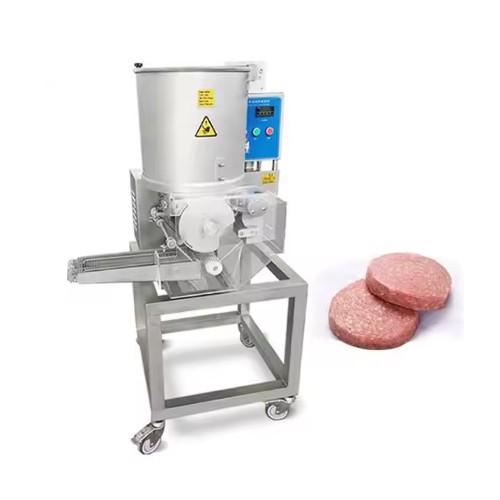
Meat mixers are just one part of the meat processing puzzle. Along with meat mixers, there are other important machines that can enhance your meat processing operations. For example, the Burger Patty Press Machine is a great addition. After you've mixed your meat in the meat mixer, you can use the burger patty press machine to shape the meat into perfect burger patties. This not only saves time but also ensures that all your patties are uniform in size and shape.
Another useful machine is the Sausage Filler Machine. Once you've mixed the sausage meat in the meat mixer, the sausage filler machine can quickly and efficiently stuff the meat into casings, creating delicious sausages.
Conclusion
So, there you have it - the different power sources of meat mixers. Whether it's electric, hydraulic, or pneumatic, each power source has its own advantages and disadvantages. Choosing the right power source depends on your specific needs, the scale of your meat processing operations, and your budget.
If you're in the market for a meat mixer or any other meat processing machines, I'd love to have a chat with you. We can discuss your requirements in detail and help you find the perfect machine for your business. Don't hesitate to reach out and start the conversation about your meat processing needs.
References
- "Meat Processing Technology" by Dr. John Doe
- "Handbook of Food Processing Equipment" by Jane Smith