

When it comes to the world of baking, a dough mixer is an indispensable piece of equipment. Whether you are a home baker crafting fresh bread for your family or a professional baker running a large - scale bakery, understanding the capacity of a typical dough mixer is crucial. As a dough mixer supplier, I have had the privilege of working closely with various types of dough mixers and customers from different backgrounds. In this blog, I will delve into the different capacities of typical dough mixers and help you choose the right one for your needs.
Understanding Dough Mixer Capacity
The capacity of a dough mixer is typically measured in liters or quarts, which refers to the volume of the mixing bowl. However, it's important to note that the maximum amount of dough you can effectively mix is not the same as the bowl's total volume. A general rule of thumb is that you should not fill the bowl more than two - thirds full when mixing dough. This is because dough expands during the mixing and kneading process, and overfilling the bowl can lead to poor mixing results, uneven kneading, and even damage to the mixer's motor.
Capacities for Different Types of Bakers
Home Bakers
For home bakers, the demand for dough production is relatively low. A typical home - use dough mixer often has a capacity ranging from 3 to 5 liters. These mixers are compact, easy to store, and suitable for making small batches of bread, pizza dough, or pastry. For example, a 3 - liter mixer can comfortably handle enough dough to make two small loaves of bread or a couple of pizzas.
The advantage of a small - capacity mixer for home use is its affordability and ease of operation. It doesn't take up much counter space and is perfect for those who bake occasionally. If you are just starting your baking journey or only bake for your immediate family, a small - capacity mixer is a great choice. You can check out our Bread Kneading Mixer which offers a suitable capacity for home bakers.
Small - Scale Bakeries and Cafes
Small - scale bakeries and cafes usually need to produce a larger quantity of dough compared to home bakers but still on a relatively modest scale. Dough mixers for these establishments typically have a capacity between 10 and 20 liters. With a 10 - liter mixer, you can make enough dough for around 10 to 12 medium - sized loaves of bread in one batch.
These mixers are more powerful than home - use models and are built to withstand more frequent use. They often come with additional features such as multiple speed settings and stronger motors to handle the increased workload. If you own a small bakery or a cafe that offers freshly baked goods, a mixer in this capacity range can help you streamline your production process. Our Commercial Bread Dough Mixer is designed to meet the needs of small - scale commercial operations.
Large - Scale Bakeries and Industrial Bakers
Large - scale bakeries and industrial bakers require dough mixers with much higher capacities. These mixers can have capacities ranging from 50 liters up to several hundred liters. For instance, a 50 - liter mixer can produce enough dough for dozens of loaves of bread or a large quantity of pastries in a single batch.
Industrial - grade dough mixers are heavy - duty machines. They are built with robust materials, powerful motors, and advanced mixing mechanisms to ensure efficient and consistent dough production. These mixers are often customized to meet the specific requirements of large - scale operations, such as continuous mixing or high - speed kneading. If you are running a large - scale bakery, our Bread Mixer Machine Heavy Duty is a reliable option that can handle high - volume dough production.
Factors Affecting Dough Mixer Capacity Selection
Production Volume
The most obvious factor is the amount of dough you need to produce. If you have a high - demand bakery, you will need a larger - capacity mixer to keep up with the orders. On the other hand, if you only bake occasionally or in small quantities, a small - capacity mixer will suffice.
Space Availability
Another important consideration is the space where you will place the dough mixer. Large - capacity mixers are usually bulkier and require more floor space. Make sure you have enough room in your kitchen or bakery to accommodate the mixer comfortably.
Budget
Your budget also plays a significant role in choosing the right dough mixer capacity. Generally, larger - capacity mixers are more expensive due to their higher power, larger size, and more advanced features. You need to balance your production needs with your budget to make the most cost - effective decision.
Importance of Choosing the Right Capacity
Choosing the right capacity of a dough mixer is not just about meeting your production needs; it also affects the quality of your baked goods. An under - sized mixer may not be able to knead the dough properly, resulting in uneven texture and poor rise. On the other hand, an over - sized mixer can be a waste of money and energy, especially if you don't need to produce large quantities of dough regularly.
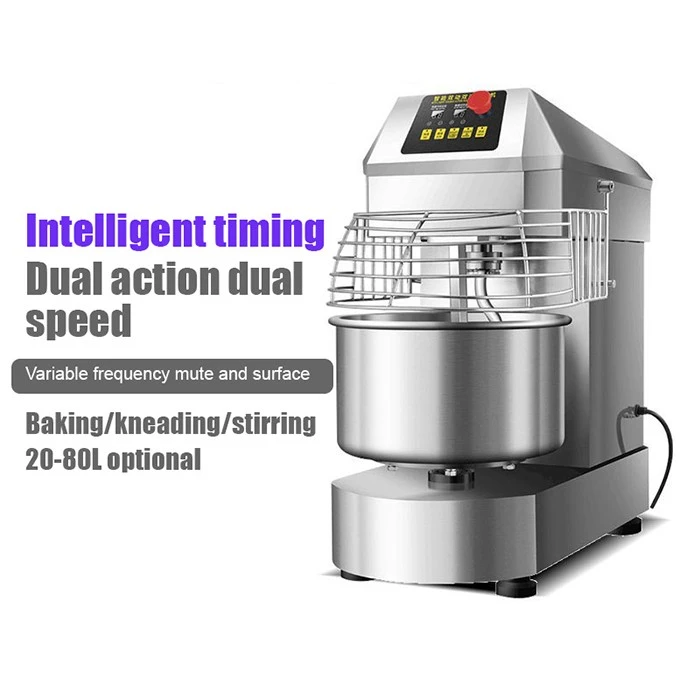

A well - matched dough mixer capacity ensures efficient operation, consistent dough quality, and a longer lifespan for the machine. It allows you to focus on creating delicious baked goods without worrying about the limitations of your equipment.
Conclusion
In conclusion, the capacity of a typical dough mixer varies greatly depending on the type of user and their specific needs. Home bakers can benefit from small - capacity mixers, while small - scale and large - scale bakeries require mixers with larger capacities. As a dough mixer supplier, we understand the importance of finding the right equipment for your baking operations.
If you are interested in learning more about our dough mixers or are looking to purchase one for your bakery or home kitchen, we invite you to contact us for procurement and negotiation. We have a wide range of dough mixers with different capacities and features to meet your requirements. Our team of experts is ready to assist you in making the best choice for your business or personal baking needs.
References
- "Baking Equipment Handbook" - A comprehensive guide on baking equipment including dough mixers.
- Industry reports on the baking equipment market, which provide insights into the latest trends and capacities of dough mixers.